

Al-Nahrain University College of Medicine Discusses a Master’s Thesis on the Protective Effect of Tasimelteon in an Ulcerative Colitis Model
Master’s Thesis Defense at the College of Medicine, Al-Nahrain University Examines the Effect of Tasimelteon in a Dextran Sulfate Sodium-Induced Ulcerative Colitis Model
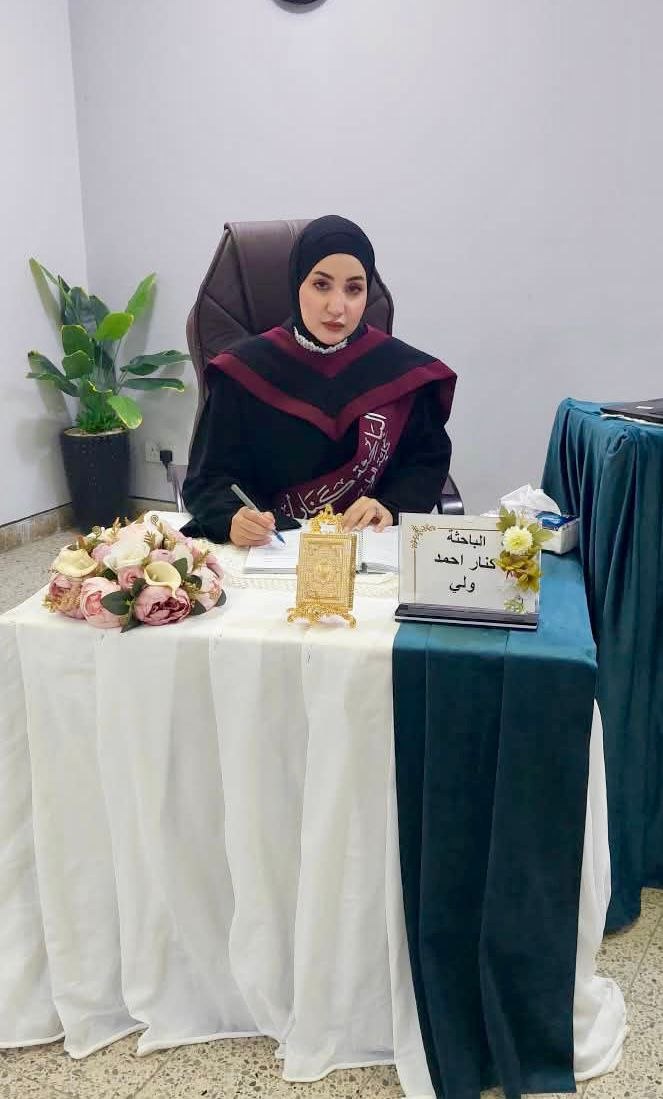
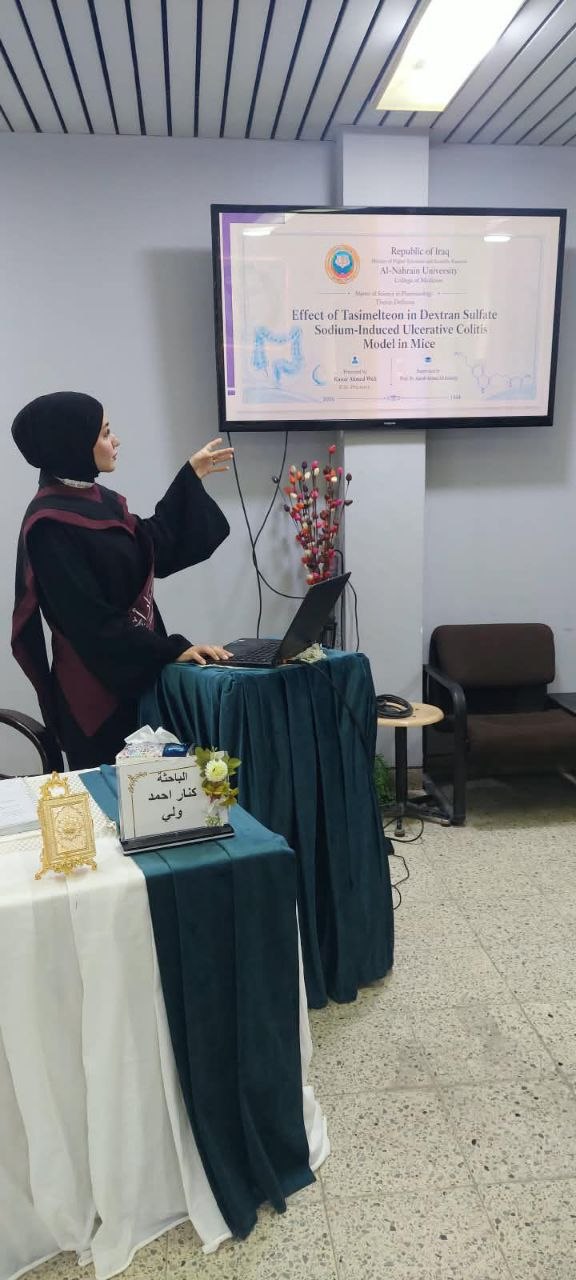
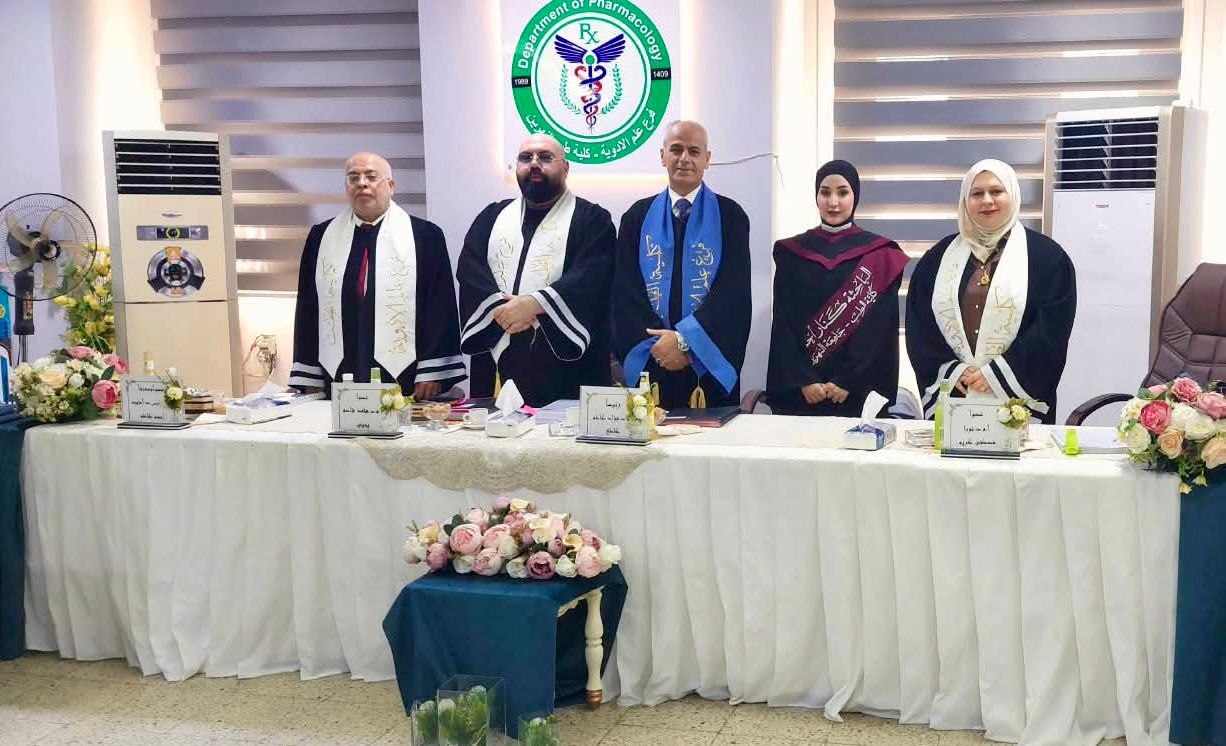
On Tuesday, September 1, 2026, the Master’s thesis of Kanar Ahmed Wali, from the Department of Pharmacology, was discussed. The thesis was entitled:
“Effect of Tasimelteon in Dextran Sulfate Sodium-Induced Ulcerative Colitis Model in Mice.”
The present study aimed to evaluate the potential protective effect of tasimelteon, administered alone and in combination with sulfasalazine, in a dextran sulfate sodium (DSS)-induced colitis model in male albino mice.
A total of 36 adult male albino mice were randomly divided into six groups, with six mice in each group. The control group received regular drinking water free of DSS. Colitis was induced in the other groups by administering a 3% DSS solution in drinking water for ten days. The induction group received DSS without treatment. The standard treatment group received sulfasalazine at a dose of 100 mg/kg/day. Two groups received tasimelteon at doses of 7 mg/kg/day and 3.5 mg/kg/day, respectively. The combination-treatment group received sulfasalazine at 50 mg/kg/day combined with tasimelteon at 3.5 mg/kg/day. All treatments were administered orally once daily, beginning 48 hours before induction and continuing throughout the experimental period.
At the end of the experiment, the Disease Activity Index (DAI), colon length, colon weight, spleen weight, and gross colon appearance score were assessed. Colon tissues were also processed for histopathological examination using hematoxylin and eosin (H&E) staining. Tissue homogenates were used to measure malondialdehyde (MDA), myeloperoxidase (MPO), superoxide dismutase (SOD), glutathione (GSH), interleukin-6 (IL-6), tumor necrosis factor-alpha (TNF-α), interleukin-1 beta (IL-1β), and interleukin-10 (IL-10).
Treatment with sulfasalazine produced significant improvements in disease activity, gross morphological parameters, histopathological findings, oxidative stress markers, antioxidant defenses, and cytokine profiles compared with the induction group.
Tasimelteon also demonstrated significant protective effects against DSS-induced colitis. Both doses of tasimelteon improved disease activity, colon morphology, histopathological injury, oxidative stress markers, antioxidant defenses, and inflammatory cytokine imbalance. The higher dose of tasimelteon generally produced greater improvement compared with the lower dose, suggesting a dose-dependent protective pattern.
Tasimelteon reduced MDA and MPO levels, restored SOD and GSH levels, decreased pro-inflammatory cytokines, including TNF-α, IL-6, and IL-1β, and increased the level of the anti-inflammatory cytokine IL-10. These biochemical changes were accompanied by improved mucosal architecture, reduced inflammatory infiltration, decreased mucosal damage, and better preservation of the intestinal glandular structure.
In conclusion, tasimelteon demonstrated a significant protective response against acute DSS-induced colitis in mice. Its therapeutic activity was associated with reduced disease activity, preservation of colon morphology, improvement of histopathological lesions, reduction of oxidative stress, restoration of antioxidant defenses, inhibition of pro-inflammatory cytokines, and enhancement of the anti-inflammatory IL-10 response.
The overall protective effect was more pronounced when tasimelteon was administered in combination with sulfasalazine. These findings suggest that tasimelteon may represent a promising experimental protective agent in acute colitis, potentially acting primarily through the modulation of oxidative and inflammatory pathways.
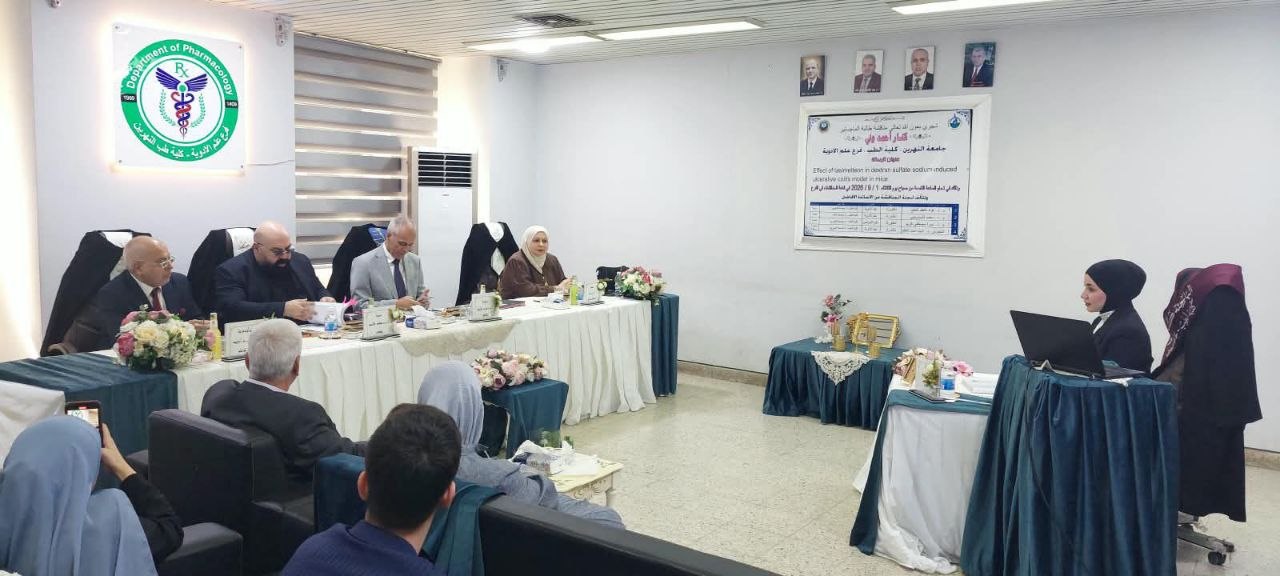
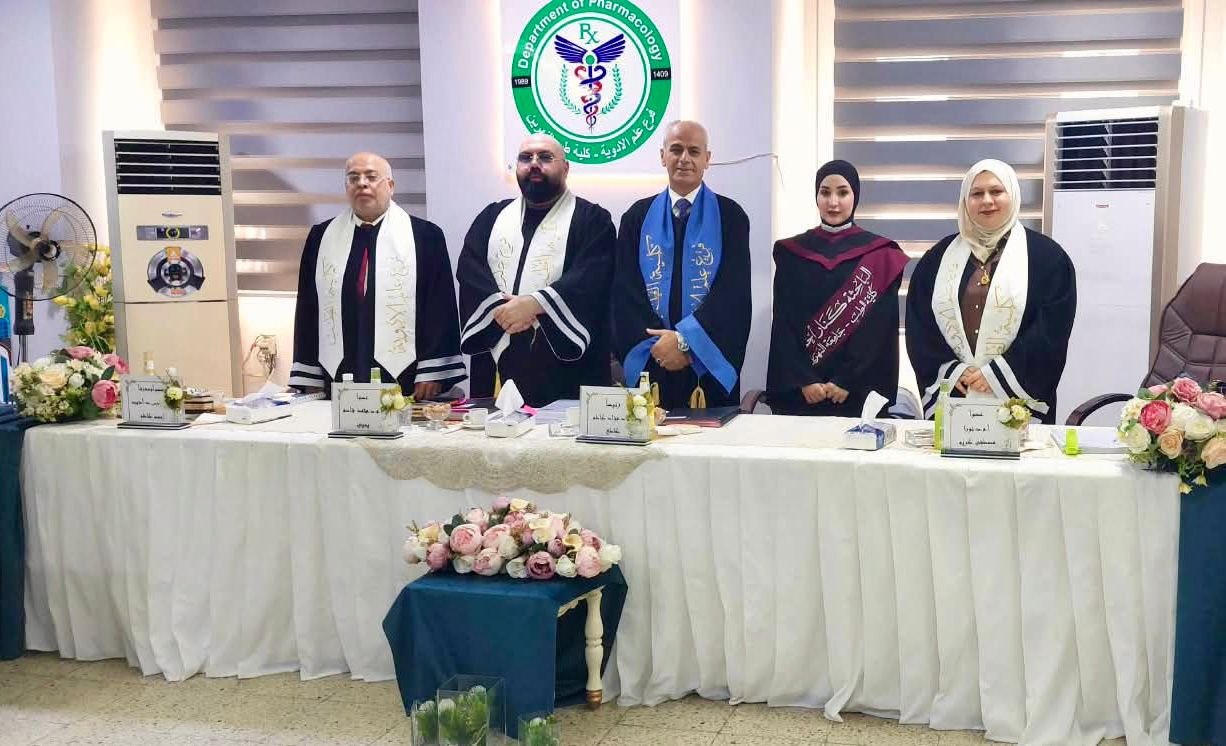
Thesis Defense Committee
-
Assistant Professor Dr. Fuad Kadhim Kati – Chair
-
Assistant Professor Dr. Mohammed Qasim Yahya – Member
-
Assistant Professor Dr. Nora Mustafa Karim – Member
-
Professor Emeritus Dr. Adeeb Ahmed Kadhim – Member and Supervisor
The thesis was successfully accepted with an Excellent grade.
Media and Government Communication Division
College of Medicine – Al-Nahrain University