

A Faculty Member from the College of Medicine, Al-Nahrain University, Ranked Among the World’s Top 2% of Scientists for the Fourth Consecutive Year.
Faculty Member from Al-Nahrain College of Medicine Ranked Among the World’s Top 2% of Scientists for the Fourth Consecutive Year
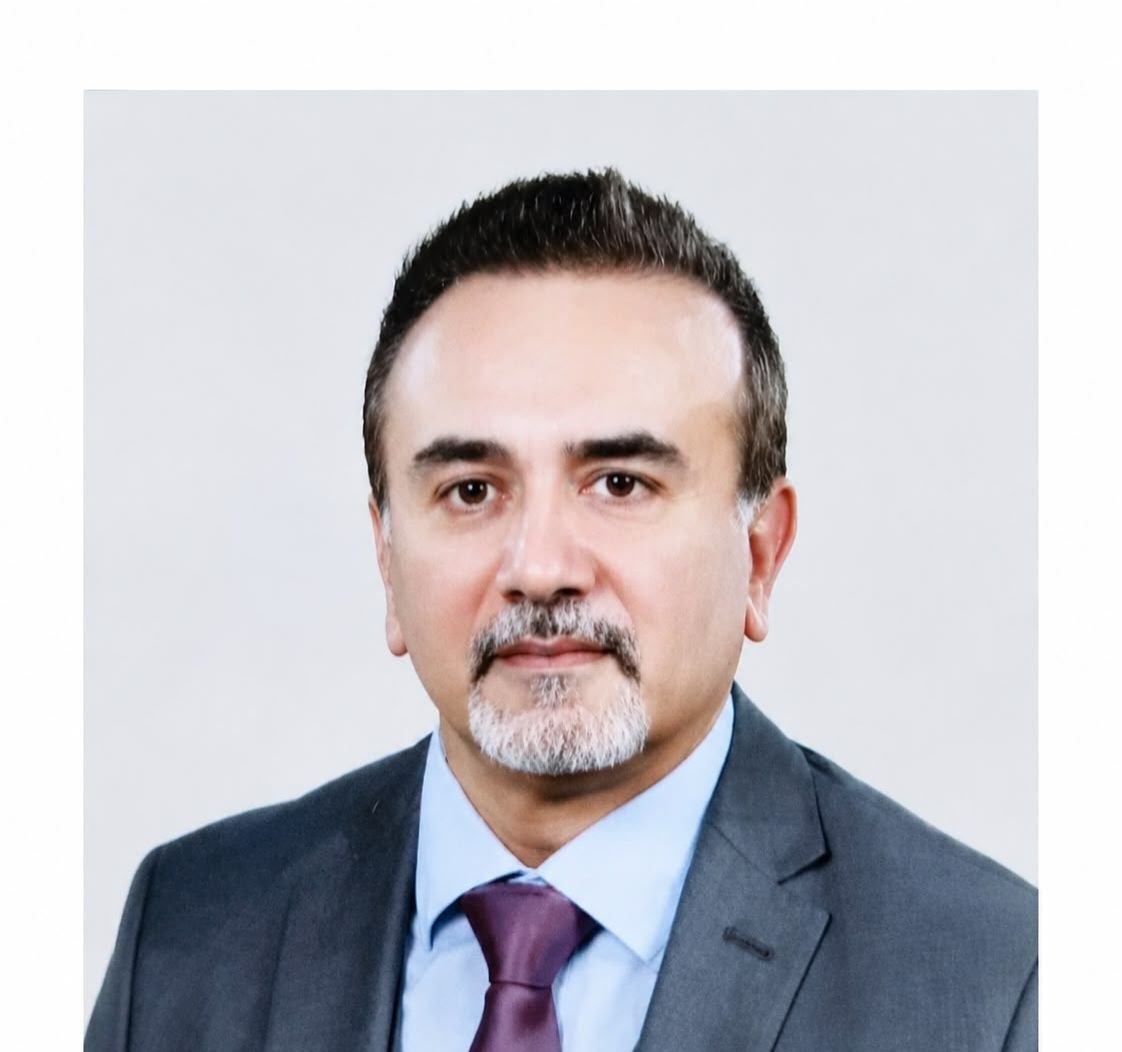
Professor Dr. Ahmed Sahib Abdul Amir, a faculty member and Head of the Department of Microbiology at the College of Medicine, Al-Nahrain University, has achieved a distinguished scientific accomplishment by being included in the list of the World’s Top 2% Scientists for the fourth consecutive year, covering 2021, 2022, 2023, and 2024.
This recognition is based on scientific data and indicators developed by Stanford University in the United States in collaboration with the Scopus database, operated by Elsevier. The ranking relies on several indicators, including the number of scientific citations, research output, and measures of researchers’ scientific impact.
This achievement highlights the outstanding research excellence of Professor Dr. Ahmed Sahib Abdul Amir and reflects the distinguished scientific presence of the College of Medicine, Al-Nahrain University, in international academic circles, as well as its leading role in supporting scientific research and high-quality scholarly publishing.
The continuation of this ranking for the fourth consecutive year further demonstrates the advanced level of the College’s academic and research output and the significant international impact achieved by its faculty members.
Scientific Ranking Links by Year:
2021:
Elsevier/Mendeley Data – 2021 Dataset
2022:
Elsevier/Mendeley Data – 2022 Dataset
2023:
Elsevier/Mendeley Data – 2023 Dataset
2024:
Elsevier/Mendeley Data – 2024 Dataset
Government Media and Communications Division
College of Medicine – Al-Nahrain University
Mendeley Data
September 2022 data update for “Updated science-wide author databases of standardized citation indicators”
The database provides publicly available information on highly cited scientists, including standardized citation indicators, the h-index, the co-authorship-adjusted hm-index, citations to papers according to authorship position, and a composite indicator (c-score). Separate data are provided for career-long impact and recent single-year impact. The database also reports metrics with and without self-citations, as well as the ratio of citations to citing papers.
Scientists are classified into 22 scientific fields and 174 sub-fields, with field- and subfield-specific percentiles provided for scientists with at least five papers. The career-long data were updated through the end of 2021, while the single recent-year data refer to citations received during the 2021 calendar year.